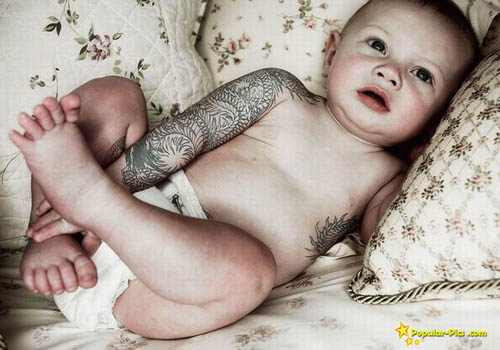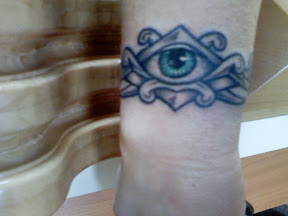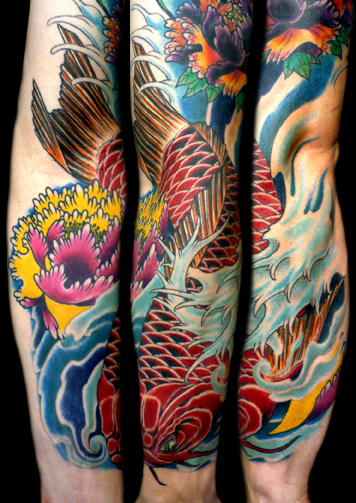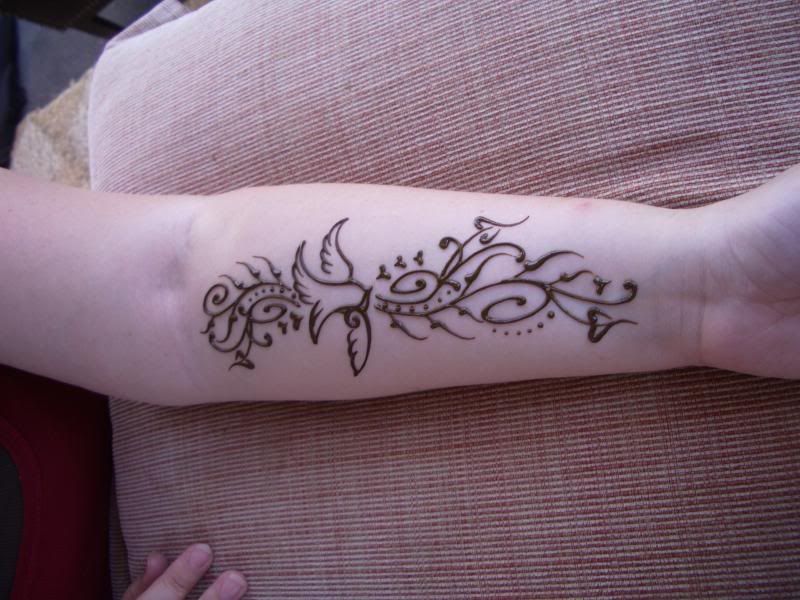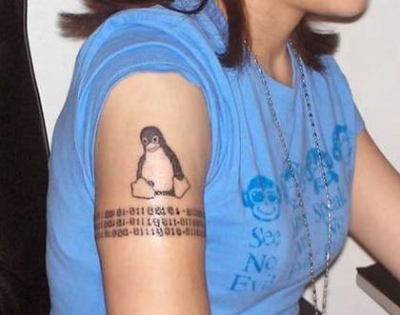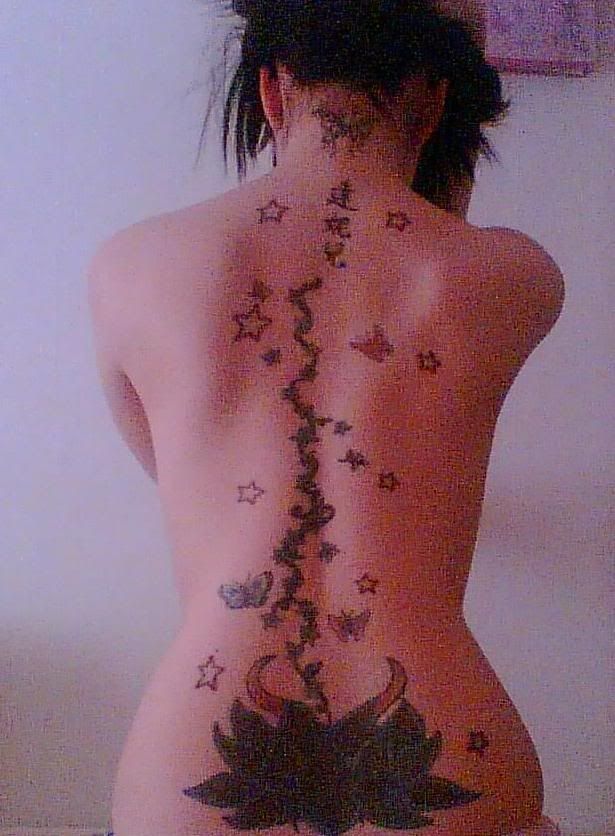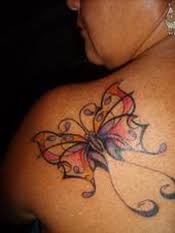

 Recently, wile researching a piece of art work depicting a member of the well known Mara Salvatrucha gang, I came across images of gang members who’s faces were decorated with tattoos. I got to thinking about the history of tattoos and the use of them by ancient warriors. Merriam-Webster defines tattoo as:
an indelible mark or figure fixed upon the body by insertion of pigment under the skin or by production of scars.
 Tattoos have been used for thousands of years, by a numerous civilizations, to mark rights of passage, recognize clan and tribe affiliations, self expression, and for healing or spiritual purposes. The earliest known tattoos were found on the frozen remains of a man who is said to have lived over 5,000 years ago, and are believed to have been used for healing purposes. Some later examples include those found on the mummified remains of Egyptian women, dating as far back as 4,000 BC, depicting deities and symbols thought to protect women during child birth.

Ancient tattooing tools were simple yet effective. A needle, or row of needles (comb), attached to the end of a stick would be dipped into a soot based ink then tapped with another stick to pierce the surface of the skin. These “primitive” tools have been, and still are, used to create elaborite and beautiful tattoos. The first major leap in tattooing technology was made in 1891 by Samuel O’Reilly when he took an engraving machine designed by Thomas Edison and re-designed it to insert pigment into the skin. This first design was quickly surpassed by newer more precise devices, but remains an integral fixture in the history of tattoo art.